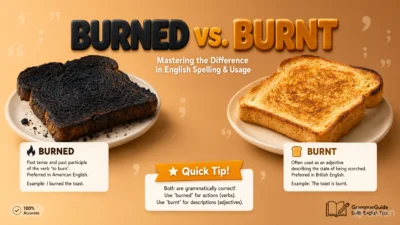
The words spelled and spelt are both correct past-tense forms of the verb spell. They describe the act of writing or saying the letters of a word in the correct order. However, the choice between them often depends on regional English preferences. Spelled is the standard and more common form in American English, while spelt is commonly used in British English and some other varieties.
If you are unsure whether to write spelled or spelt, you are not alone. Both forms appear in dictionaries and everyday writing, which can make the choice confusing for students, ESL learners, and even fluent English speakers. The good news is that neither form is inherently wrong.
The important thing is to understand where each version is preferred and how to use it naturally in a sentence. In this guide, you will learn their meanings, grammatical forms, differences, and practical examples so you can confidently choose the right word.
Quick Answer: Spelled or Spelt?
Both spelled and spelt are correct past-tense forms of spell. Spelled is preferred in American English, while spelt is especially common in British English. Both words can also function as past participles. Choose the form that matches your audience and keep your spelling consistent throughout your writing.
Why Do People Confuse Spelled and Spelt?
People confuse these words because they have the same meaning and grammatical function. Both describe writing or naming the letters of a word in the correct order.
The confusion mainly comes from differences between American and British English.
For example:
- American English: She spelled my name correctly.
- British English: She spelt my name correctly.
Both sentences are grammatically correct.
Another reason for the confusion is that English has many irregular verbs with different past-tense patterns. Some verbs add -ed, while others change their spelling completely.
Although spelt looks like an irregular verb form, it is simply an alternative past-tense form of spell.
What Does Spelled Mean?
Spelled is the simple past tense and past participle of the verb spell. It means to write, say, or name the letters of a word in their correct order.
It is the preferred form in American English and is also widely understood internationally.
Examples of Spelled in Sentences
- She spelled my name correctly.
- I spelled the difficult word without making a mistake.
- He spelled the answer on the board.
- The teacher spelled each word slowly.
- I have spelled your name correctly on the certificate.
When Should You Use Spelled?
Use spelled when:
- Writing in American English.
- Following American spelling conventions.
- Writing formal documents for an American audience.
- Using the simple past tense or past participle of spell.
Example: The student spelled every word correctly during the competition.
What Does Spelt Mean?
Spelt is another correct past-tense and past participle form of the verb spell. It has exactly the same meaning as spelled.
It is particularly common in British English, although its usage varies across regions and individual writing styles.
Examples of Spelt in Sentences
- She spelt my surname correctly.
- He spelt the word incorrectly.
- The teacher spelt the difficult word aloud.
- I have spelt your name correctly.
- They spelt the answer differently in the competition.
When Should You Use Spelt?
Use spelt when:
- Writing in British English.
- Following British spelling conventions.
- Writing for readers who commonly use British English.
- Using the past tense or past participle of spell.
Example: The children spelt all ten words correctly in the test.
Spelled vs Spelt: What’s the Difference?
The main difference between spelled and spelt is regional preference, not meaning.
Both words refer to writing or saying the letters of a word in the correct sequence. However, American English generally prefers spelled, while British English commonly accepts both forms and often uses spelt.
| Feature | Spelled | Spelt |
| Meaning | To write letters correctly | To write letters correctly |
| Word type | Past tense and past participle | Past tense and past participle |
| American English | Preferred | Less common |
| British English | Correct | Common |
| Australian English | Used | Used |
| Canadian English | Commonly used | Also understood |
| Example | She spelled it correctly. | She spelt it correctly. |
The key point is that both forms are grammatically correct. Your choice depends mainly on your preferred English variety and audience.
When Should You Use Spelled or Spelt?
Choosing between these words is simple once you understand your audience.
1. Use Spelled in American English
American English generally prefers spelled in both everyday and formal writing.
Example: My brother spelled the word correctly.
2. Use Spelt in British English
British English commonly uses spelt, although spelled is also correct.
Example: The student spelt the word correctly.
3. Use Either in International Communication
If you are communicating with an international audience, either form is understandable.
However, consistency is important. Avoid switching between the two forms unnecessarily in the same document.
4. Follow Your Style Guide
If you are writing an academic paper, business document, or professional article, follow the spelling convention required by your institution or publication.
15 Examples of Spelled and Spelt in Sentences
Here are practical examples showing how both words work in everyday English.
| No. | Spelled Example | Spelt Example |
| 1 | She spelled my name correctly. | She spelt my name correctly. |
| 2 | He spelled the word wrong. | He spelt the word wrong. |
| 3 | I spelled the answer aloud. | I spelt the answer aloud. |
| 4 | They spelled the city name correctly. | They spelt the city name correctly. |
| 5 | The teacher spelled the word twice. | The teacher spelt the word twice. |
| 6 | I have spelled your name correctly. | I have spelt your name correctly. |
| 7 | She spelled every word perfectly. | She spelt every word perfectly. |
| 8 | He spelled the difficult term correctly. | He spelt the difficult term correctly. |
| 9 | The child spelled the word incorrectly. | The child spelt the word incorrectly. |
| 10 | We spelled the answer together. | We spelt the answer together. |
| 11 | The student spelled the word aloud. | The student spelt the word aloud. |
| 12 | You spelled my surname incorrectly. | You spelt my surname incorrectly. |
| 13 | I spelled the word from memory. | I spelt the word from memory. |
| 14 | She has spelled everything correctly. | She has spelt everything correctly. |
| 15 | The name was spelled incorrectly. | The name was spelt incorrectly. |
Notice that the meaning remains exactly the same in every pair.
Common Mistakes to Avoid
Even though both forms are correct, learners sometimes make mistakes when using them.
1. Thinking Spelt Is Always Incorrect
Incorrect understanding: Spelt is not a real English word.
Correct understanding: Spelt is a recognized past-tense and past participle form of spell.
2. Thinking Spelled Is Only American English
Although spelled is especially common in American English, it is also correct in British English.
3. Mixing Both Forms Without a Reason
Avoid changing between spelled and spelt randomly in the same article or document.
Choose one variety and maintain consistency.
4. Using Spell Instead of Spelled or Spelt
Incorrect: Yesterday, she spell my name correctly.
Correct: Yesterday, she spelled my name correctly.
Also correct: Yesterday, she spelt my name correctly.
5. Confusing Spelt With Spell
Remember that spell is the base form, while spelled and spelt are past-tense forms.
What Is an Easy Memory Trick for Spelled vs Spelt?
Use this simple trick:
- Spelled = American preference.
- Spelt = Common British preference.
Think of the letter combination -ed as a familiar feature of many American past-tense verbs.
Remember that this is a regional preference, not a strict grammatical rule. Both versions are correct.
Is Spelled American or British English?
Spelled is especially preferred in American English, but it is also accepted in British English.
Spelt is particularly common in British English and is also used in other English-speaking regions.
Here is a simple regional comparison:
| English Variety | Common Preference |
| American English | Spelled |
| British English | Spelt or spelled |
| Australian English | Both forms |
| Canadian English | Spelled is common |
| New Zealand English | Both forms |
Regional preferences can vary between publications, speakers, and writing styles. Neither form should automatically be considered incorrect.
Similar Words You Should Know
English contains many verbs with alternative past-tense forms. Learning these examples can help you understand why spelled and spelt are both acceptable.
| Base Verb | Past Tense Form 1 | Past Tense Form 2 |
| Learn | Learned | Learnt |
| Burn | Burned | Burnt |
| Dream | Dreamed | Dreamt |
| Smell | Smelled | Smelt |
| Spell | Spelled | Spelt |
| Leap | Leaped | Leapt |
| Spill | Spilled | Spilt |
| Spoil | Spoiled | Spoilt |
These alternative forms often reflect differences in regional English usage.
For example:
- I learned something new today.
- I learnt something new today.
- She burned the toast.
- She burnt the toast.
Both forms are accepted in these examples, although regional preferences differ.
Final Verdict: Spelled or Spelt?
The correct choice is both spelled and spelt.
They are alternative past-tense and past participle forms of the verb spell. Neither changes the meaning of the sentence.
- Choose spelled for American English.
- Choose spelt if you prefer the common British English form.
- Remember that both are acceptable in British English.
- Keep your spelling consistent throughout your writing.
If you are unsure which version to use, spelled is a practical choice for international and American-facing writing.
FAQs:
1. Is Spelled or Spelt Correct?
Both spelled and spelt are correct English words. They are alternative past-tense and past participle forms of spell. Spelled is preferred in American English, while spelt is common in British English.
2. Is Spelt British or American?
Spelt is particularly common in British English. It is also understood and used in other English varieties. American English generally prefers spelled.
3. Is Spelled Correct in British English?
Yes, spelled is completely correct in British English. Although spelt is common in Britain, both forms are accepted.
4. What Is the Past Tense of Spell?
The past tense of spell can be either spelled or spelt. Both forms describe an action that happened in the past.
Example: She spelled the word correctly.
5. What Is the Past Participle of Spell?
The past participle of spell is spelled or spelt.
Examples:
- I have spelled the word correctly.
- I have spelt the word correctly.
Both sentences are grammatically correct.
6. Is Spelt a Real Word?
Yes, spelt is a real English word. It is a recognized alternative past-tense and past participle form of spell. It can also refer to an ancient type of wheat, depending on the context.
7. Should I Use Spelled or Spelt in an Essay?
Choose the form that matches your required English variety. Use spelled for American English and either spelled or spelt for British English. Follow your teacher’s or institution’s preferred style guide.
Remember This
- Spelled: Correct and preferred in American English.
- Spelt: Correct and common in British English.
- Meaning: Both mean writing or saying the letters of a word in the correct order.
- Grammar: Both work as simple past tense and past participle forms.
The easiest rule is to remember that the difference is mainly regional, not grammatical.
Conclusion
The choice between spelled and spelt is easier than it first appears. Both are correct forms of the verb spell, and both have the same meaning. The main difference is regional preference: American English generally favors spelled, while British English commonly uses spelt.
If you are writing an essay, preparing an assignment, sending an email, or improving your English vocabulary, you can confidently use either form when it suits your audience. Just remember to stay consistent with your chosen English variety. Understanding this small difference will help you write more naturally and avoid unnecessary spelling confusion.

John Morrison is a dedicated content writer at Synomity.com, focused on synonyms, vocabulary development, and word meanings. He creates clear, educational resources that help readers improve language skills and communicate with confidence.